Stop Termites Before Activity Starts
Termite Prevention in Appleton, WI
We reduce the conditions that draw eastern subterranean termites to Appleton foundations by addressing moisture sources and wood contact points around the structure.
Moisture Control Around Foundations
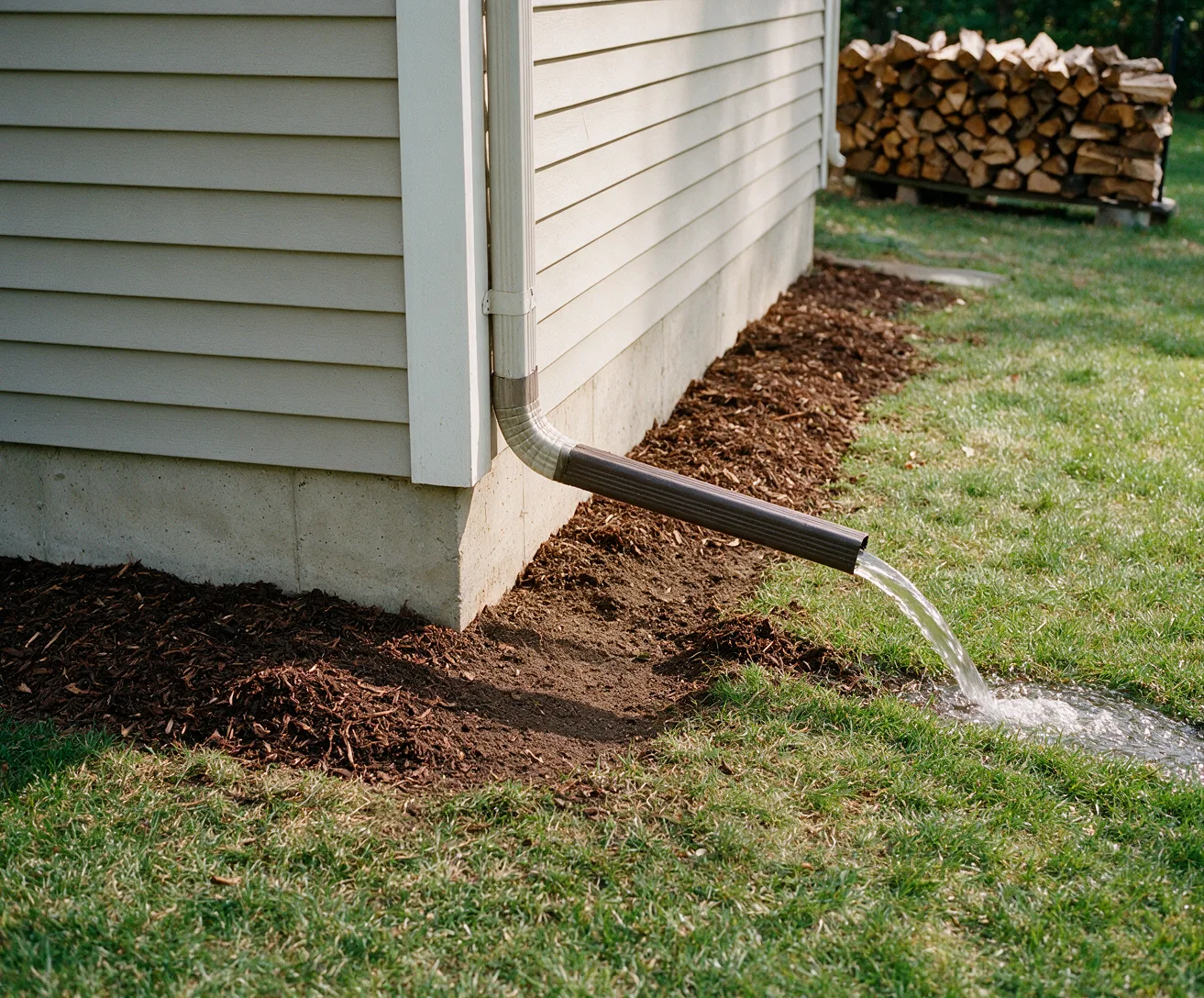
You know, heavy clay soil in the Fox Valley holds water after snowmelt and spring rains, keeping soil next to basements damp for months on end. Does it stay damp long? Yes it does. We check sump discharge lines and downspout outlets to move water away from the house so termites have less reason to explore upward.
Gutters that overflow create steady moisture along footings. Our technicians look for these spots and note where extensions would help.
Walkout basements in neighborhoods near downtown Appleton often show pooling after heavy rain. Correcting the slope of soil or adding French drains lowers the humidity that colonies follow when foraging near the concrete but it takes checking each spot.
Removing Food Sources Near the House
Termites travel from the soil to cellulose that touches or sits close to the ground.
Deck and Fence Details
- Posts set directly into soil allow easy entry
- Ledger boards touching siding create hidden pathways
- Mulch piled against skirt boards holds moisture
- Stair stringers resting on dirt stay damp year round
- Old deck blocks buried under new patios trap wood
Yard Wood and Debris
- Firewood stacked on the ground next to siding
- Tree stumps left from removed maples or oaks
- Buried lumber scraps from past construction
- Mulch beds deeper than two inches against the wall
- Fence rails lying on soil after winter damage
We point out these contact points during a visit so homeowners can lift wood off grade, thin mulch layers, or remove stumps before termites begin tubing toward the foundation.
Ongoing Monitoring After Initial Work
| Season | What We Check |
|---|---|
| Early Spring | Snowmelt pooling and new mud tubes |
| Late Spring | Swarm evidence near basement windows |
| Summer | Mulch settling and new wood contact |
| Fall | Downspout extensions before freeze |
| Winter | Sump pump function and ice dams |
At Walleye Capital Termite Removal Experts yearly checks catch small changes before colonies grow large enough to send swarmers. We look at the same locations each time so patterns in moisture or new debris become clear.
Homes in Grand Chute and Greenville subdivisions often have newer slabs with expansion joints that need periodic review. We note any shifts in grading or added landscaping that could bring soil closer to the slab edge.
Working With Local Construction Types
Older two-story homes near College Avenue and the historic district often have crawl spaces or partial basements where wood debris was left during original construction. We inspect these areas for direct soil contact and recommend removal where possible.
Newer split-levels on the south and east sides of Appleton frequently have attached garages with slabs poured over fill that contains scrap lumber. Checking the garage perimeter during each visit helps keep those hidden pieces from becoming entry points.
Yearly checks catch changes before colonies expand. We review grading, mulch depth, and any new wood placement around the foundation during scheduled visits.
Questions about termite prevention around Appleton
- How often should we check for new wood contact?
- We suggest walking the foundation twice a year, once after snowmelt and again before leaves fall, to spot firewood stacks, new mulch, or shifted deck posts that now touch soil.
- Does fixing gutters really help with termites?
- Yes. Water landing next to the foundation keeps clay soil wet longer, which lets termites stay active closer to the house instead of retreating deeper during dry periods.
- What about stumps left in the yard?
- Stumps act as food sources that colonies can use to build numbers before moving toward the house. Removing them or grinding them below grade reduces available cellulose near the structure.
Homeowners who want a full look at current conditions often schedule Termite Inspection first. We can then outline the specific steps needed for ongoing Termite Prevention on that property.
Schedule Termite Prevention Work
Contact us to review moisture and wood contact points around your foundation this season.
Call (920) 528-5821